Data Centre Air Quality Solutions
Ensuring Your Mission Critical & Technical Areas Meet ISO Cleanroom Standards
Whether you are replacing or up-grading air conditioning units, installing new doors, removing a wall, drilling a hole or just performing plain maintenance, sub-micron particles of dust are produced in massive amounts and quickly become airborne during these works. These dust particles range in size from .03 (micron) to 5 microns and can very quickly become a cause for equipment failure.
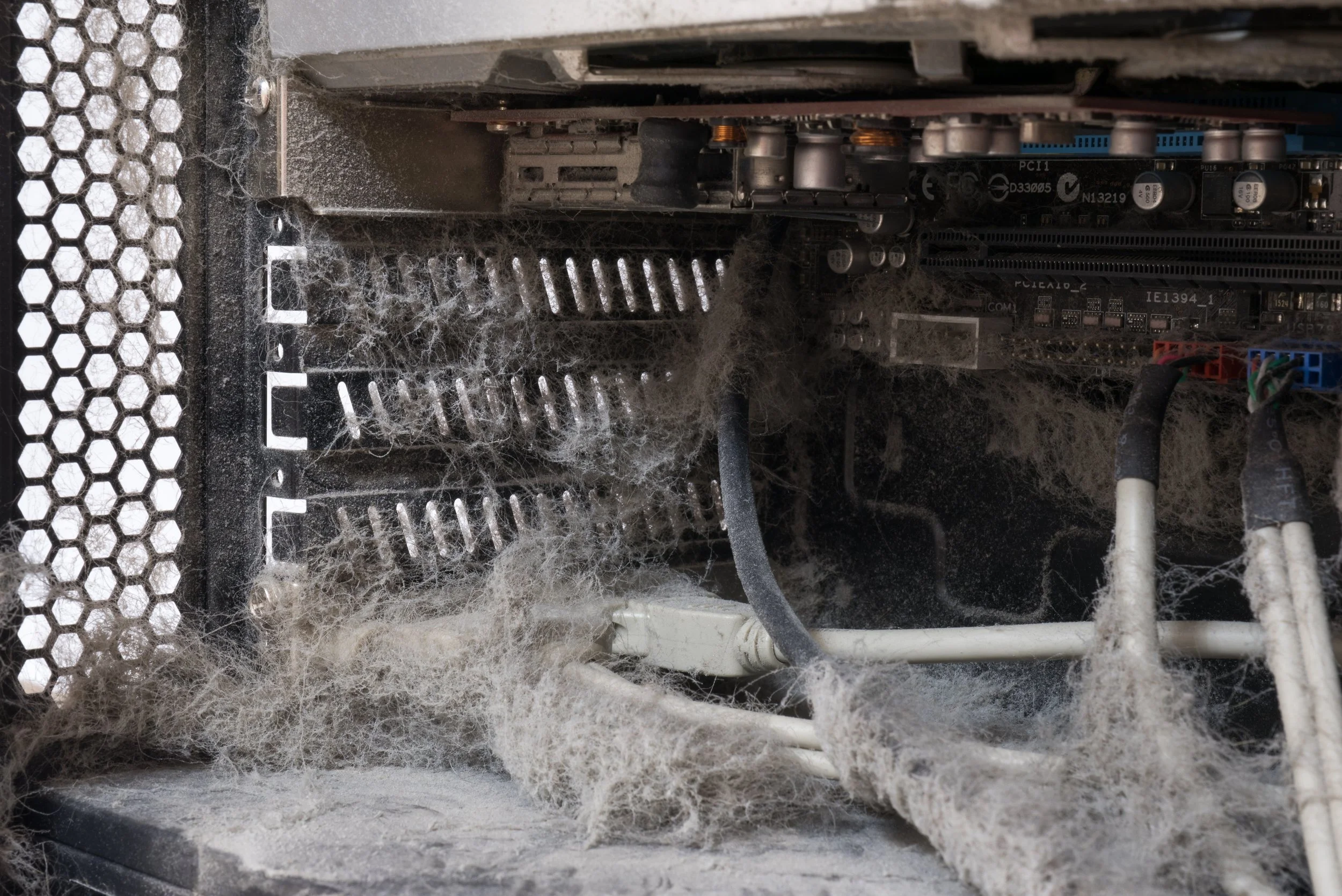
Sub-micron particle contamination resulting from dust and dirt can lead to unexpected shutdowns of mission critical data centre equipment and the connection between contamination and hardware failures is often overlooked.
Contamination (dust) from construction activities is the main cause of this contamination and may cause problems if it is not managed.

Damage of mission critical equipment such as servers, switches and even computers is often caused by dust created by the building processes and tools used by contractors.
The simple solution is to provide temporary sealed work areas within the work area or communication room to enable construction or refurbishment works to proceed. We also provide HEPA floor mounted air scrubbers on a daily, weekly or monthly hire arrangement for contractors to manage and control the contamination produced during the construction or refurbishment stage of a contract.
On completion of the building works, our service technicians will carry out an inspection, perform air particulate tests and carry out a technical service clean (if necessary) to ensure that no contamination is in evidence.
Clean room/area report is available to the contractor to conform with ISO specifications and completion report requirements.

FAQs: Data Centre Air Quality Solutions
-
Data centre air quality solutions help control airborne contamination, including dust, debris and sub-micron particles that can damage sensitive IT equipment. Solutions may include HEPA air scrubbers, temporary containment barriers, air particle testing and specialist data centre cleaning services designed for mission-critical environments.
-
Poor air quality can lead to the accumulation of dust and contaminants on servers, switches, storage devices and cooling systems. Over time, this contamination can contribute to equipment failures, overheating, reduced efficiency and unexpected downtime.
-
The most common sources of contamination include construction works, refurbishment projects, drilling, cutting, cable installations, HVAC upgrades, contractor activity and the movement of personnel and equipment through technical areas.
-
A HEPA air scrubber is a filtration device that removes airborne particles from the surrounding environment. It continuously draws in contaminated air, filters out dust and sub-micron particles using high-efficiency filters, and returns cleaner air to the space.
-
Air scrubbers are typically used during construction, refurbishment, maintenance works, equipment upgrades and any activity that may generate airborne dust or debris in a data centre, server room or communications room.
-
Yes. Construction and maintenance activities can often be performed in live environments when appropriate contamination control measures are implemented. These may include temporary sealed work zones, HEPA air scrubbers, dust containment systems and post-project technical cleaning.
-
Dust particles can obstruct airflow, contaminate sensitive electronic components, contribute to overheating and increase the risk of hardware failure. Fine airborne particles can also settle inside equipment where they are difficult to remove without specialist cleaning.
-
Sub-micron particles are extremely small airborne contaminants measuring less than one micron in diameter. Despite their size, they can penetrate sensitive electronic equipment and are often generated during construction and refurbishment activities.
-
Yes. Air particle testing can measure airborne contamination levels and help determine whether a facility meets required cleanliness standards. Testing is often conducted before, during and after construction projects or major maintenance works.
-
Maintaining ISO cleanliness standards typically involves a combination of contamination control procedures, temporary containment systems, HEPA filtration, air particle monitoring and specialist technical cleaning before the facility is returned to operation.
-
ISO 14644 is an international standard for cleanrooms and controlled environments. It provides guidelines for measuring and controlling airborne particulate contamination, helping organisations maintain suitable conditions for sensitive equipment and operations. Australian IT Services helps clients maintain cleanliness standards in accordance with ISO 14644 Class 8 requirements.
-
While no solution can eliminate all risk, effective contamination control and data centre air quality management can significantly reduce the likelihood of dust-related equipment issues, improve reliability and support the long-term performance of critical infrastructure.
-
Air scrubbers are strongly recommended during data centre refurbishments and fit-outs where dust, debris or airborne contaminants may be generated. They help maintain cleaner air and reduce the risk of contamination reaching sensitive equipment.
-
The duration depends on the scope of the project and the level of airborne contamination present. Air scrubbers are often operated throughout the project and may remain in place until air quality testing confirms acceptable particle levels.
-
Yes. Air quality solutions can be deployed in data centres, server rooms, communications rooms, computer rooms and other mission-critical environments where contamination control is essential.
-
Many organisations follow ISO 14644 guidelines for cleanliness and airborne particle control. The appropriate standard depends on the facility, operational requirements and any compliance obligations that apply to the organisation.
-
Air particle testing is commonly conducted during construction projects, refurbishment works, major equipment installations and as part of ongoing contamination control programmes. Testing frequency should be based on the facility's risk profile and operational requirements.
-
Australian IT Services has been providing specialist contamination control, technical cleaning and air quality solutions for data centres, comms rooms and other mission-critical environments since 1996. With nationwide coverage, certified Technical Cleaners and extensive experience working in live environments, Australian IT Services helps organisations protect critical infrastructure and maintain compliance with industry cleanliness standards.
More Services
-
![Australian IT Services data centre cleaners cleaning the floor inside a data centre.]()
Data Centre Cleaning
-
Office ICT Equipment Cleaning
-
![The interior of a dusty computer case showing a graphics card and wires, coated in dust and cobwebs.]()
Comms Room Cleaning
-
![A young man with short hair and a beard working on a laptop at a desk in front of server racks in a data center]()
Computer & Server Room Cleaning
-
![Close-up of a person wearing dark brown leather boots and jeans, standing on a blue contamination control mat / tacky mat / sticky mat.]()
Tacky Mats & Data Centre Products
-
![A row of industrial air conditioning units or ventilators mounted on a wall in a modern building interior.]()
Post-Construction Final Handover Cleaning