How often should you clean a comms room?
After 30 years of providing comms room cleaning across Australia, we've learned that there's no one-size-fits-all answer to cleaning frequency.
As a general guide, most comms rooms should be professionally assessed annually and cleaned every 6–12 months, while higher-risk environments, such as warehouses, manufacturing facilities or buildings undergoing construction, may require cleaning every 3–6 months.
But the calendar is only part of the story.
In our experience, the better question is:
What's happened inside your comms room since it was last cleaned?
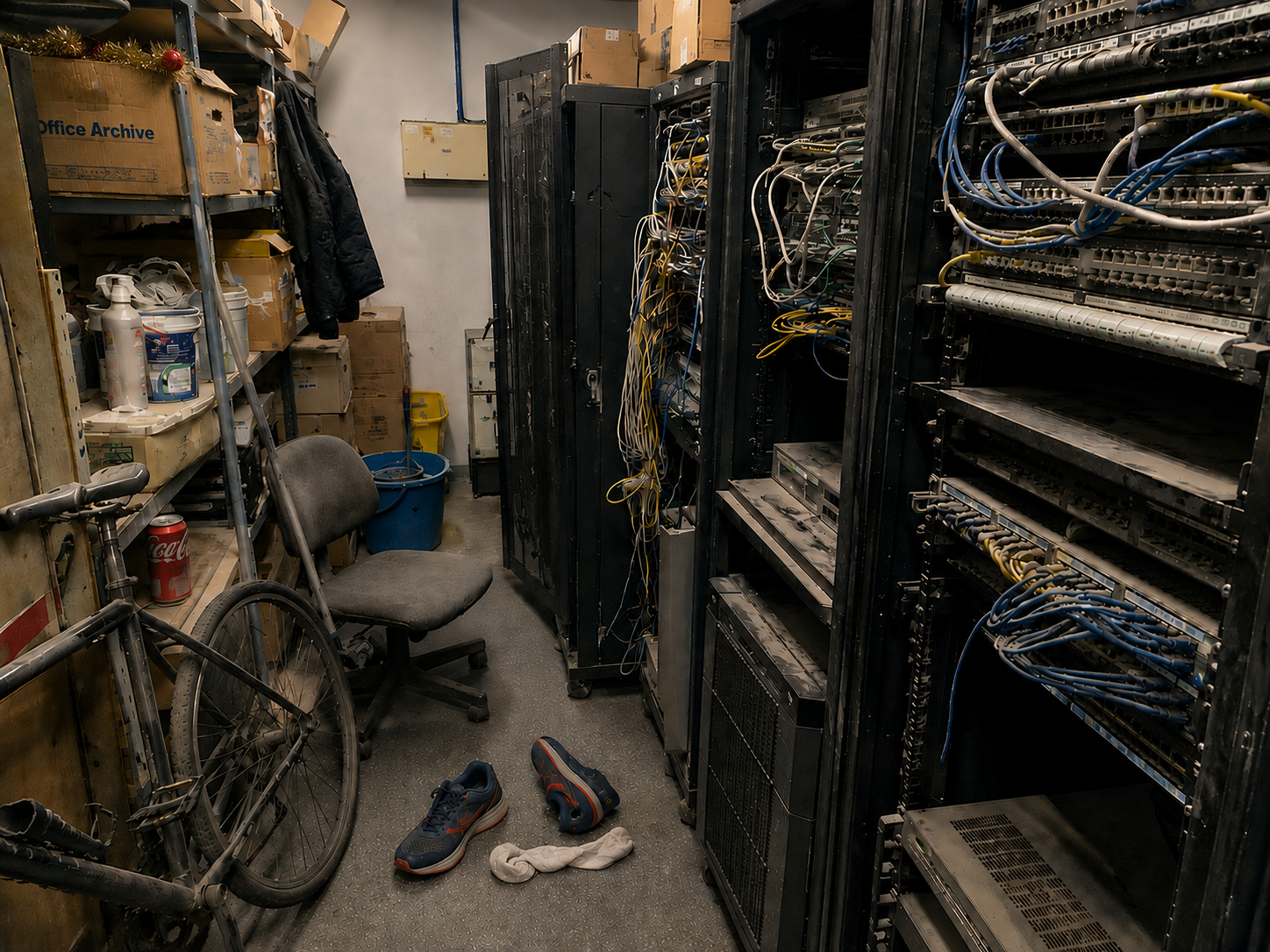
Every comms room starts the same. Few stay that way.
Since 1996, Australian IT Services has cleaned thousands of comms rooms, server rooms and data centres.
Although the technology has changed dramatically over that time, one thing hasn't.
Almost every comms room starts life as a clean, controlled environment dedicated to housing critical network infrastructure.
Then, little by little, it begins collecting everything else.
We've seen comms rooms used to store:
Archived files and surplus stationery
Mops, buckets and dirty cleaning equipment
Flammable chemicals
Uniforms and shoes
Spare furniture
Building maintenance supplies and paint tins
Bicycles and scooters
Staff Christmas party wine
Cardboard boxes and packaging left behind after equipment upgrades
Redundant IT equipment that was "only temporary"
None of these items belong in a comms room.
They're often placed there with good intentions because the room is secure, rarely visited and has spare floor space. Unfortunately, they're also introducing unnecessary contaminants and foot traffic into one of the most sensitive environments in the building.
A Comms Room Isn't a Storeroom
One of the biggest misconceptions we encounter is that if there's empty space, it may as well be used.
In reality, every unnecessary item inside a comms room creates additional risk.
Cardboard continually sheds fibres. Cleaning equipment carries dust, dirt and moisture from other parts of the building. Chemicals don't belong anywhere near sensitive electronic equipment. Every unnecessary visit means more contaminants are carried in on clothing and footwear.
Over time, these seemingly minor issues accumulate.
The result is a room that's no longer functioning as the controlled environment it was designed to be.
A comms room should have one purpose: housing and protecting the critical infrastructure your organisation depends on every day.
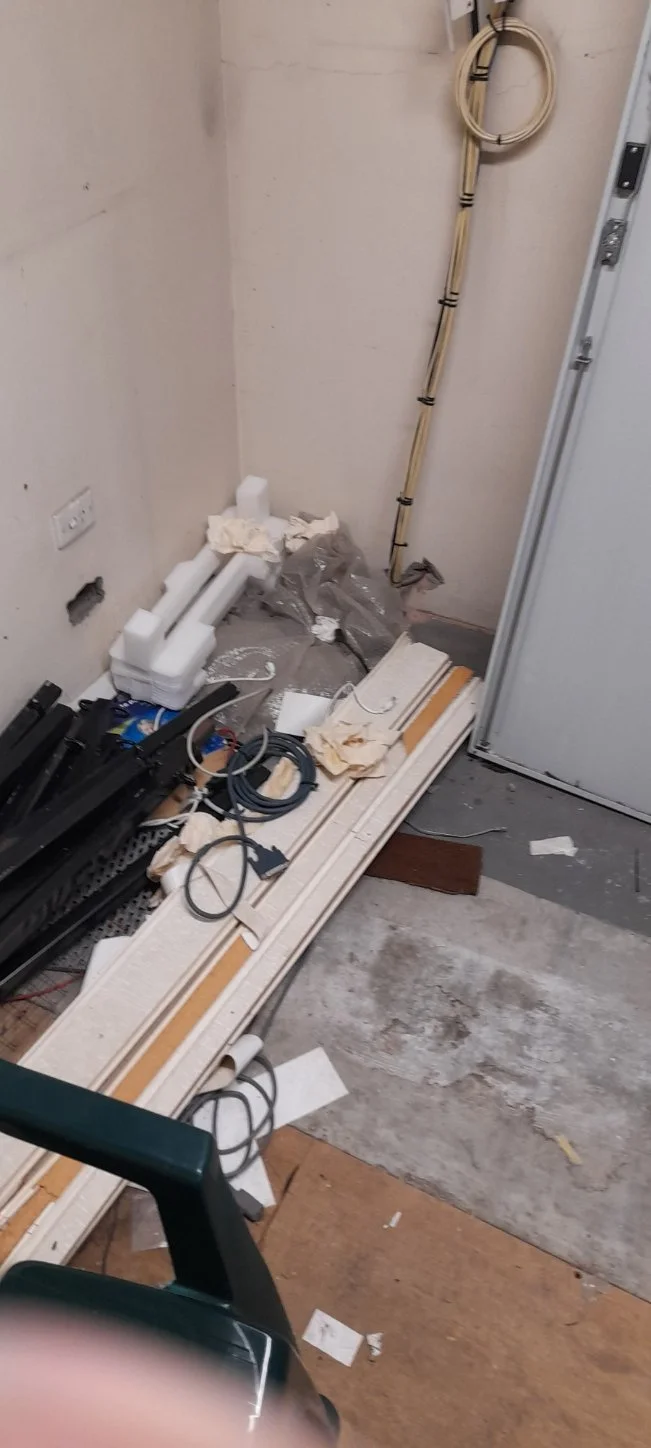
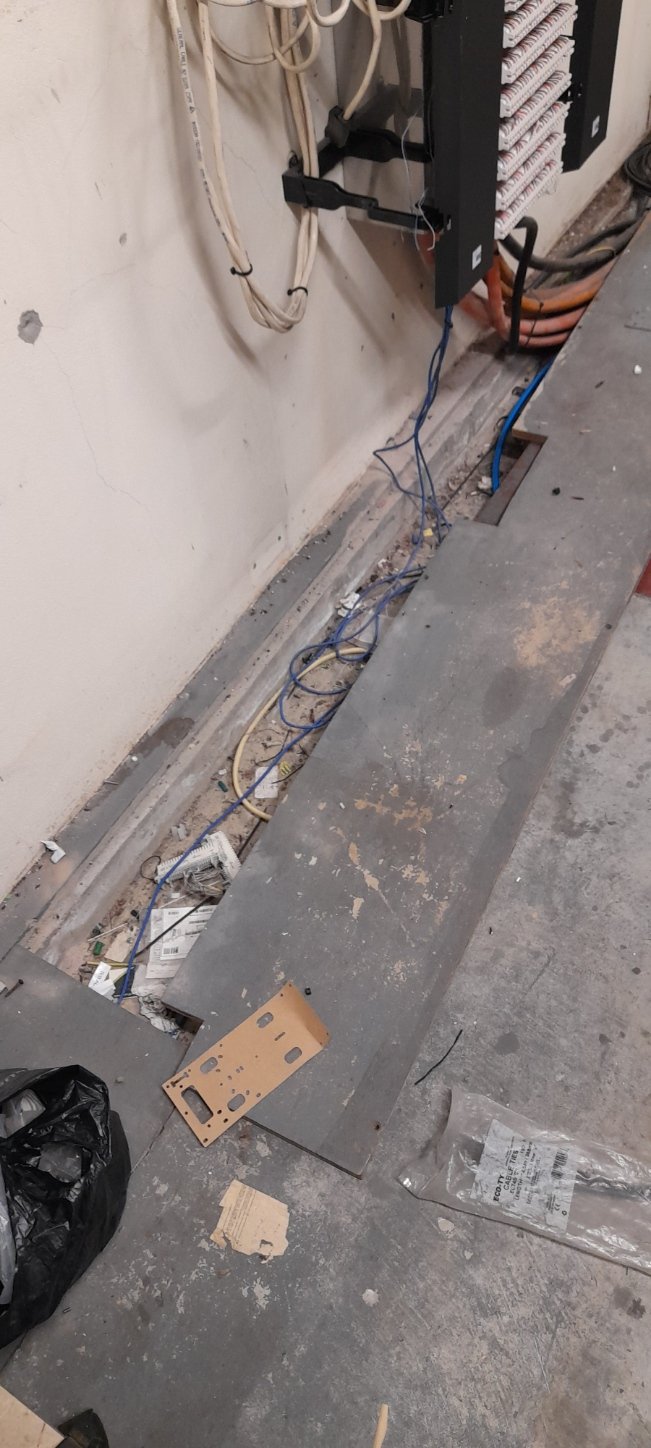
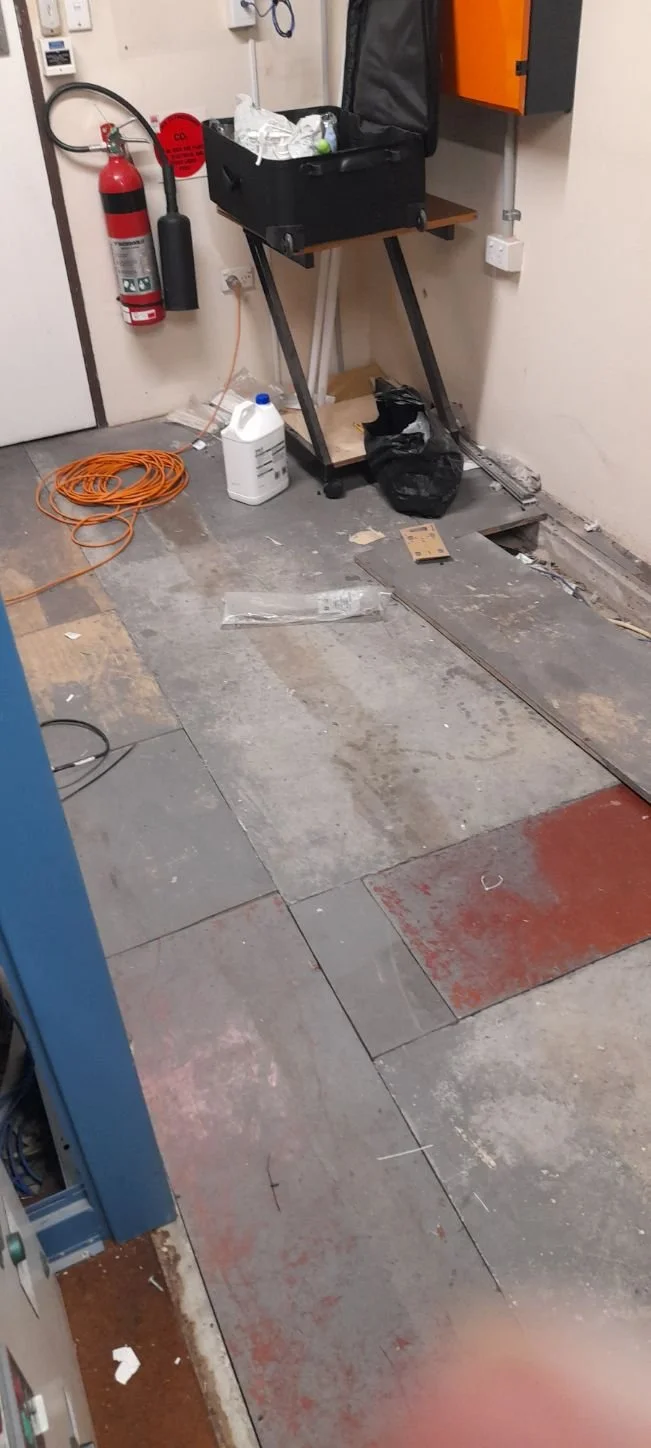
So, how often should a comms room be cleaned?
There's no universal schedule because every environment is different.
As a practical guide:
Standard office: Every 12 months
Commercial office: Every 6–12 months
Warehouse or industrial facility: Every 3–6 months
Healthcare, finance or other critical infrastructure: Every 3–6 months
Following nearby construction or refurbishment: Immediate inspection and cleaning
Rather than treating cleaning as another recurring maintenance task, we recommend incorporating comms room inspections into your preventative maintenance program.
Some rooms remain in excellent condition.
Others haven't been assessed in years.
An inspection tells you which.
More Than Dust: What We're Actually Looking For
Professional comms room cleaning isn't simply about removing visible dust.
It's about identifying everything that compromises the room's ability to protect critical ICT infrastructure.
During an inspection we commonly find:
Dust accumulation on network cabinets and cable trays
Debris beneath racks and around UPS equipment
Contaminated air conditioning vents and returns
Packaging and installation waste left behind after projects
Redundant hardware occupying valuable floor space
Storage restricting access to equipment
Evidence that the room is being accessed more frequently than necessary
Professional cleaning removes contamination, but it's also an opportunity to reset the room.
By removing inappropriate storage, clearing accumulated debris and restoring housekeeping standards, the room can return to the purpose it was originally designed for.
Signs Your Comms Room May Be Overdue for Cleaning
Many organisations don't think about their comms room until something goes wrong.
Some common warning signs include:
Visible dust on network cabinets or cable trays
Dust beneath racks or around UPS equipment
Dirty ceiling vents or air conditioning returns
Cardboard boxes, archived files or spare equipment stored in the room
Cleaning equipment or chemicals kept inside the room
Increased fan noise from network equipment
Construction or refurbishment completed within the building
It's been more than 12 months since the room was last professionally assessed
If several of these apply, your comms room is likely overdue for inspection.
Why General Cleaning Isn't Enough
A comms room shouldn't be cleaned the same way as an office.
General commercial cleaning is designed for desks, kitchens and common areas - not live ICT environments containing sensitive electronic equipment.
Professional technical cleaning uses specialised equipment, HEPA vacuums, antistatic procedures and methods specifically designed for critical infrastructure.
Equally important, experienced technical cleaners know what they're looking at.
After three decades, we've become very good at recognising when a comms room has slowly drifted away from its intended purpose, and helping organisations bring it back.
A Professional Clean Resets the Standard
One of the biggest benefits of periodic comms room cleaning isn't simply removing dust.
It's changing how the room is managed going forward.
We've found that once a comms room has been professionally cleaned, unnecessary storage removed and housekeeping expectations re-established, it's far less likely to become a dumping ground again.
Instead, it returns to being what it was always intended to be: a secure, controlled environment dedicated exclusively to housing critical ICT infrastructure.
Protect the Room That Protects Your Network
The cleanest comms rooms we've worked in all have one thing in common: they're treated as critical infrastructure, not spare storage space.
The rooms that cause concern are rarely neglected overnight. They simply evolve over time, with a few boxes added here, some redundant equipment left there, a bicycle tucked in the corner and a cupboard of cleaning supplies that gradually becomes permanent.
Regular professional inspections and technical cleaning help prevent that slow decline.
They remove contamination, identify emerging issues and, just as importantly, restore the room to its original purpose - a clean, secure environment dedicated to keeping your organisation connected.
For 30 years, Australian IT Services has helped organisations across Australia protect their comms rooms through specialist live environment technical cleaning. Because when the room that supports your entire network is treated as critical infrastructure, everything connected to it benefits.
Frequently Asked Questions
-
Yes. In many cases, professional technical cleaning can be carried out around live ICT equipment using specialised ESD-safe cleaning procedures designed to minimise operational risk.
-
Even if cleaning isn't required every six months, we recommend an annual professional inspection as a minimum. Environmental conditions, nearby building works and housekeeping practices all influence how quickly contamination develops.
-
No. Cardboard boxes, cleaning supplies, chemicals, archived files, bicycles and personal belongings all introduce unnecessary contaminants, hazards or foot traffic into an environment designed to protect sensitive network equipment.
-
No. The appropriate frequency depends on the environment, contamination levels, equipment density and how the room is managed. A professional assessment is the most effective way to determine an appropriate maintenance schedule.
-
Australian IT Services specialises in professional comms room cleaning in Sydney. Since 1996, we've helped organisations protect their critical ICT infrastructure through specialist technical cleaning. While we're regularly on site across Sydney, we also provide comms room cleaning services throughout Melbourne, Brisbane, Perth, Adelaide, Canberra and parts of regional Australia.